Most of us treat intimacy with God like a spiritual “extra”—a luxury for the super-pious or something we fit in when the schedule allows. We think of it as a polite invitation we can RSVP to at our convenience. But in the most famous poem ever written, David paints a much more assertive picture.
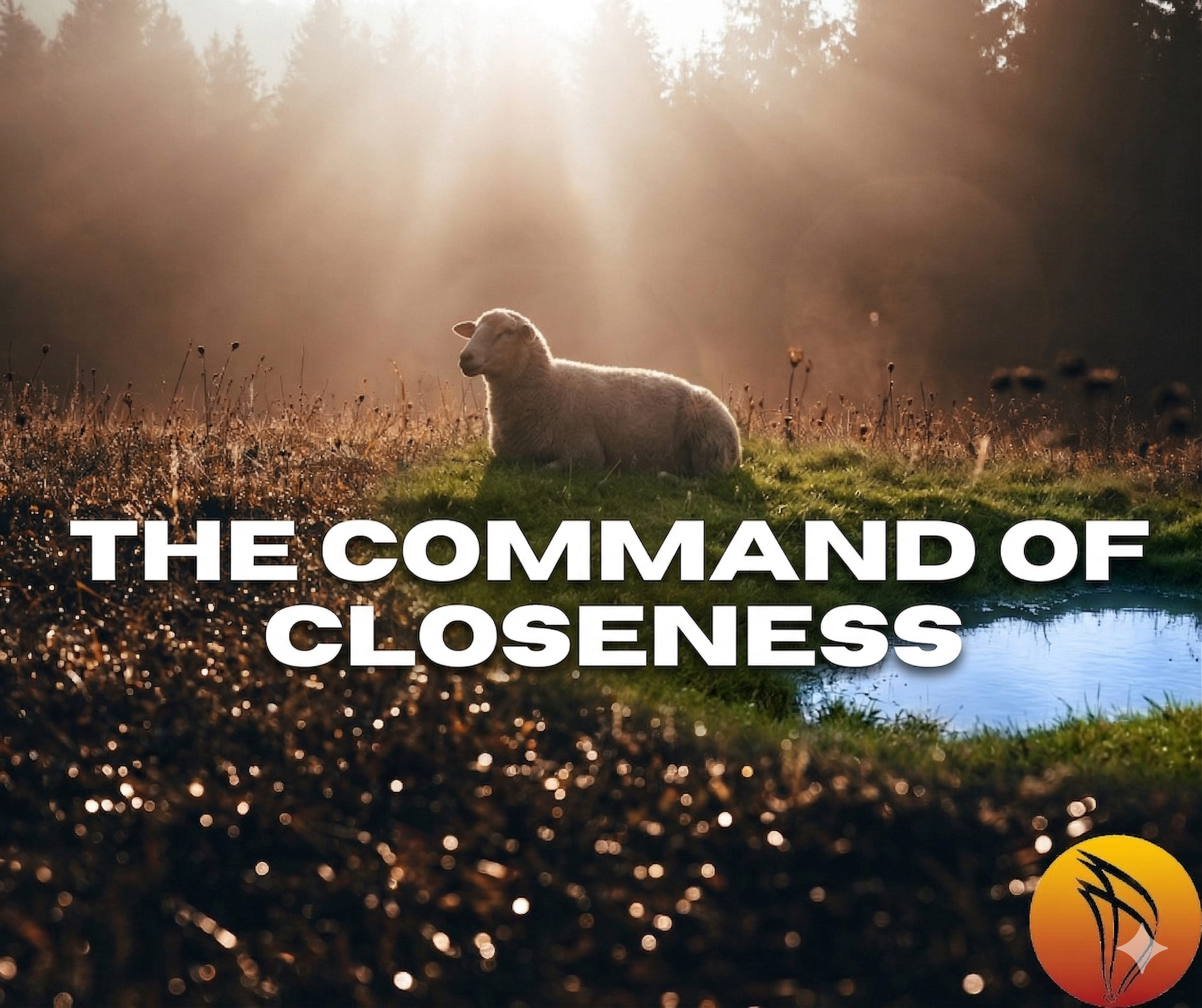
When Psalm 23 says, “He makes me lie down,” it isn’t a request for permission; it’s a declaration of intent. It is a sovereign command. True intimacy isn’t a decision we make; it’s a posture of obedience we are called into. Before the Shepherd leads us to the water, He first commands us to be still at His side.
The Reclining Heart: More Than Just a Nap
When David writes that the Shepherd “makes me lie down,” the Hebrew imagery carries the weight of reclining. In ancient Israel, reclining wasn’t just about rest; it was about status and relationship. At festive meals, the guests of honor reclined so closely to the host that their head would rest near the host’s chest—literally “in his bosom.”
This gives us a radical new lens through which to view the New Testament. John is called “the disciple whom Jesus loved” not because of favoritism, but because of proximity. At the Last Supper, John was the only one reclining against Jesus’ chest. He was close enough to hear the very heartbeat of God.
This is the “reclining” the Shepherd demands of us. It’s the same feeling I have looking at photos of my children asleep on my chest when they were babies. It wasn’t just sleep; it was an absolute, defenseless sense of trust, peace, and safety.
The Sound of the Shepherd
Intimacy is built on the consistency of the Shepherd’s presence. A sheep doesn’t just recognize a voice from a distance; they recognize the Shepherd because He has brought them into His home. They know:
- The rhythm of His breath.
- The pattern of His heartbeat.
- The sound of their own name on His lips.
This is why David became so indignant when the prophet Nathan told him the story of the rich man stealing a poor man’s lamb. David knew that for a shepherd with one lamb, that animal wasn’t livestock—it was family. It was an intimate bond. Intimacy trusts God to take the lead because it knows the character of the One leading.
Led to be Sustained
The passage moves from the pasture to the “still waters.” In Hebrew, “lead” doesn’t just mean to walk in front of; it means to sustain.
Consider the biology of this: our bodies are 60-70% water. A 15% loss of water is fatal. On a molecular level, water determines what your DNA allows into your cells. Water literally holds you together.
When the Shepherd leads you to water, He is sustaining the very structure of your life. But notice the type of water: Still. * In turmoil: Peace.
- In triumph: Peace.
- In stress: Peace.
God provides exactly what we need for peace in every situation. He leads us beside it, which means the supply is there—we just have to take the drink. And a quick tip from the field: you shouldn’t drink only when you’re thirsty. Thirst is a sign of dehydration. Intimacy means drinking continuously so that you never reach the point of depletion.
Conclusion: From Visitation to Habitation
The most striking thing about the words “pasture” and “still” is their root meaning: an abode or a dwelling place. Intimacy cannot be built on occasional visitations. You can’t just “stop by” for a moment of peace and expect a transformed life. Intimacy is built on habitation. It is a dwelling.
God isn’t asking if you’d like to be close today. He is commanding you into a place of rest so that He can sustain you with His peace. Your response to His command for intimacy is what builds the “abode of supply” in your life. Don’t just visit the Shepherd—learn to recline at His chest.